


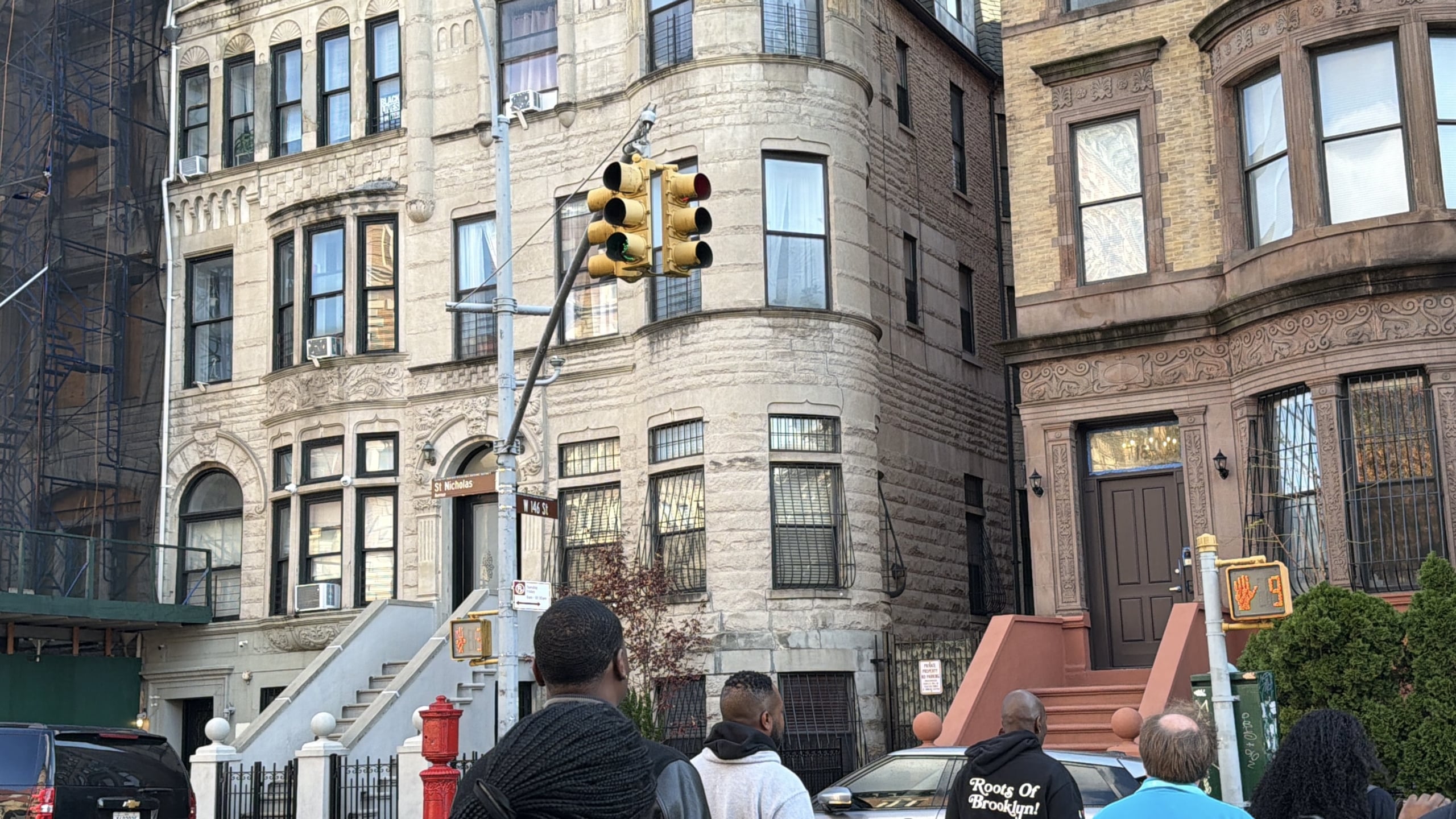
Understanding the Home Selling Process
Selling a home is a significant decision that involves various steps, from assessing its value to closing the sale. Whether you are relocating, upgrading, or downsizing, understanding the home selling process is crucial for a successful transaction. This guide aims to equip you with necessary knowledge and strategies to navigate the complexities of the real estate market effectively, especially if you are considering a home for sale.
Understanding the home for sale market is essential for maximizing your profit when selling your home for sale.
Assessing Your Home’s Value
The first step in selling your home is determining its market value. This assessment hinges on a variety of factors including location, size, condition, and current market trends. To accurately assess your home’s value, consider hiring a professional appraiser or real estate agent who can provide a comparative market analysis (CMA). A CMA evaluates similar properties that have recently sold in your area, helping you set a competitive price.
Many factors impact the value of a home for sale, including recent sales of similar homes for sale in your area.
Additionally, understanding the economic landscape can inform your pricing strategy. Keep an eye on housing market trends, interest rates, and local economic indicators. Overpricing can deter potential buyers, while underpricing may lead to quick sales but at a loss. Thus, striking a balance is essential.
Preparing for the Sale
Before listing your home for sale, it’s essential to prepare your home for sale adequately.
Once you have a clear understanding of your home’s value, it’s time to prepare for the sale. This involves not only physical preparations but also strategic planning to attract potential buyers. Start by decluttering your home, making necessary repairs, and considering minor upgrades that could enhance its appeal. Simple tasks such as fresh paint, landscaping, and deep cleaning can significantly improve first impressions.
Consider how your home’s appeal can draw in buyers eager for a home for sale.
Another important aspect of preparation is gathering documentation related to your property. This includes title deeds, tax records, and any warranties for appliances or home systems. Having these documents organized can streamline the process when negotiations begin.
Steps to Sell Your Home
Understanding the current demand for homes for sale can guide your pricing strategy.
Choosing the Right Time to Sell
The timing of your sale can greatly influence the outcome. Real estate trends fluctuate seasonally; for instance, spring often sees a surge in buyers, while winter may slow down sales. Pay attention to local market conditions, economic factors, and even your personal circumstances when deciding on the best time to sell.
Additionally, consider the overall economic climate. If interest rates are low, more buyers may be entering the market, potentially leading to a higher selling price. Conversely, if the market is saturated with listings, you may want to wait for a more favorable environment.
Research how the local market conditions affect the availability of homes for sale.
Deciding Between a Real Estate Agent and Selling Independently
Another critical decision is whether to enlist a real estate agent or sell your home independently. A licensed agent brings expertise, resources, and a network of potential buyers to the table. They handle the complexities of paperwork, negotiations, and marketing, typically in exchange for a commission fee. This route can save you time but may also reduce your total profit from the sale.
On the other hand, selling independently—also known as For Sale By Owner (FSBO)—can allow you to retain all profits from the sale. However, this route requires significant effort in marketing, negotiating, and handling legalities. If you have experience in real estate or are willing to learn, selling independently may be feasible.
How a Licensed Broker Prepares Your Home for Sale
Working with a broker who understands the local market can help you price your home for sale competitively.
Conducting a Comparative Market Analysis
When you choose to work with a real estate broker, one of their first tasks will be to conduct a comparative market analysis (CMA). This detailed report examines similar properties in your area that have sold recently, as well as those currently on the market. This analysis helps establish a competitive price for your home, attracting potential buyers while ensuring you receive fair value.
The CMA takes into account the specifics of your property, including size, age, condition, and unique features. This comprehensive approach ensures that your home is positioned correctly within the current market landscape, increasing the likelihood of a successful sale.
Staging Your Home for Potential Buyers
Once the price has been set, staging your home becomes a critical next step. Staging is the process of arranging and decorating your home to make it appealing to potential buyers. This can involve rearranging furniture, decluttering spaces, and even renting furniture or decor that enhances the aesthetic appeal.
Staging your home for sale can make it more attractive to buyers visiting homes for sale.
Effective staging can lead to a quicker sale and potentially increase your home’s selling price. Studies have shown that staged homes often sell faster than non-staged homes because they allow buyers to envision themselves living in the space. A well-staged home can evoke emotional responses that motivate buyers to act.
Professional Photography and Virtual Tours
High-quality photography is an essential component of marketing your home. Professional photos capture your home in the best light, showcasing its best features and creating an inviting atmosphere. With the increasing prevalence of online listings, homes with stunning visuals tend to attract more interest from potential buyers.
High-quality photography can showcase your home for sale and attract serious buyers.
Additionally, consider offering virtual tours. These digital walkthroughs provide an immersive experience for potential buyers, allowing them to explore your home from the comfort of their own. Virtual tours can significantly enhance your listing, especially in a post-pandemic market where remote viewings have become more common.
Marketing Your Home for Sale
Implementing an effective marketing plan for your home for sale is crucial.
Creating Compelling Listings for Online Platforms
Once your home is staged and professionally photographed, the next step is to create compelling listings on various online platforms. Utilize high-traffic real estate websites, as well as local classifieds, to maximize your visibility. Your listing should include a detailed description of your home, highlighting unique features, recent upgrades, and the advantages of the neighborhood.
Highlighting the benefits of your home for sale can enhance its appeal to potential buyers.
Ensure to incorporate keywords that potential buyers might use during their search. This includes specifics like three-bedroom home in a family-friendly neighborhood or recently renovated kitchen. An enticing description combined with stunning visuals can significantly increase the likelihood of attracting buyers.
Utilizing Social Media for Broader Reach
Social media can be leveraged to advertise your home for sale to a broader audience.
Social media platforms have transformed the way homes are marketed. Utilize platforms like Facebook, Instagram, and even Pinterest to showcase your home to a wider audience. Create posts that feature stunning images and share insights about the property and neighborhood. Engaging storytelling can connect with potential buyers on a more personal level.
Moreover, consider utilizing paid promotions on social media to target specific demographics, ensuring that your listing reaches those most likely to be interested. Social media is an invaluable tool that can amplify your reach and facilitate connections with prospective buyers.
Hosting Open Houses and Private Showings
Open houses provide a direct way for buyers to explore your home for sale.
In addition to online marketing, hosting open houses and private showings allows potential buyers to experience your home firsthand. Open houses provide an opportunity for several interested buyers to visit in a relaxed environment, allowing them to explore the space without feeling pressured.
Private showings are also beneficial, enabling serious buyers to take a closer look at your home. Ensure that your home is clean, well-lit, and smells pleasant during these visits. Providing brochures or information packets can also give potential buyers something to take with them, ensuring your home remains fresh in their minds after the visit.
Navigating Offers and Negotiations
Understanding Offers on Your Home
Reviewing offers for your home for sale involves understanding market trends.
As interested buyers begin to formulate offers, it’s crucial to understand the components of each offer. An offer typically includes the proposed purchase price, contingencies (conditions the buyer wishes to include), and a timeline for closing the sale. Review each offer carefully, considering not just the monetary value but the terms and conditions that accompany it.
Competing offers can sometimes lead to bidding wars, where multiple buyers increase their bids to secure the property. Understanding the nuances of each offer, including financial qualifications and contingencies, will help you make an informed decision about which offer to accept.
Negotiating Terms with Potential Buyers
Negotiation is a critical part of the home selling process. Once you’ve received offers, you may need to counteroffer or negotiate terms. This can involve discussing not just the purchase price, but also aspects such as closing costs, repairs, and move-in dates.
Negotiating the best terms for your home for sale can lead to a favorable outcome.
Having a real estate agent can be invaluable during this stage, as they can provide insights into fair practices and help maintain an objective stance. Additionally, being flexible and open to negotiation can often lead to a more favorable outcome for both parties involved.
Closing the Sale
Finalizing the Sale Process
Once an agreement has been reached, the closing process begins. This is when the final paperwork is prepared and signed, which officially transfers ownership of the property from the seller to the buyer. During this period, you’ll work with a closing agent or attorney to ensure that all legal requirements are met and that the sale is in compliance with local laws.
Be prepared to address any last-minute issues that may arise, such as inspection findings or financing problems. Open communication with all parties involved will help expedite this process and ensure a smooth transition.
Transferring Ownership and Important Documentation
At closing, ensure all documents related to your home for sale are in order.
At the closing meeting, several important documents will be signed, including the deed of the property, closing disclosure, and any other necessary paperwork. After signing, the ownership of the home is officially transferred to the buyer. It’s essential to keep copies of all documents for your records, as they may be needed for tax purposes or future transactions.
After the sale is completed, you may also want to inform your local tax authority and utility companies about the change in ownership. Handling these small details can help avoid complications in the future.
By Ramon Crum


FAQs
Being informed about the market can help you decide the best time to sell your home for sale.
What is the best time to sell my home?
Spring and summer are generally the best times to sell, as families often want to move during school breaks, but local market conditions should also be considered.
Should I hire a real estate agent?
While it is possible to sell your home independently, a real estate agent can provide expertise, market reach, and handle negotiations, which can simplify the process.
How can I make my home more appealing to buyers?
Staging your home, decluttering, making necessary repairs, and enhancing curb appeal are all effective ways to attract buyers.
What documents do I need to prepare before selling my home?
Essential documents include the title deed, tax records, any warranties, and information related to repairs and upgrades.
What happens during the closing process?
During closing, the sale is finalized through the signing of legal documents, and ownership is transferred to the buyer.
Summary of Main Points
Remember, effective marketing of your home for sale is key to a successful sale.
Selling your home can be both an exciting and challenging journey. Understanding the home selling process, assessing your home’s value, and preparing effectively are crucial steps. Whether you choose to work with a licensed real estate agent or navigate the sale independently, make sure to market your home effectively, negotiate wisely, and manage the closing process diligently. By following these guidelines, you can enhance your chances of a successful home sale and maximize your return on investment.
Ultimately, understanding the nuances of the home for sale process can lead to a smoother transaction.